
What Is Electroacupuncture? E-Stim for Fertility, Reproductive Health & Labor Support
A Deeper, More Targeted Approach to Acupuncture Care
The first question I almost always get when I include electroacupuncture in a treatment is: What does it do?
My simple answer is that it offers patients a deeper, more targeted form of healing. And while it’s definitely a modern application of acupuncture, at its heart electroacupuncture is a natural evolution of classical acupuncture.
The longer answer is that electroacupuncture (or, as acupuncturists typically call it, e-stim) provides consistent stimulation of the acupuncture needles throughout your treatment. It’s similar to having your practitioner sit with you and manually stimulate the needles for the entire session, but using e-stim allows that stimulation to be steady and sustained.
This makes electroacupuncture especially effective for complex conditions that require more pronounced or prolonged needle stimulation, such as PCOS, irregular ovulation, poor ovarian response, or stalled labor.
E-stim is one of the techniques we use as part of our fertility-focused care at Seed Acupuncture. It’s often integrated into personalized treatment plans designed to support hormone regulation, ovulation, implantation, and pregnancy.
🪷 Learn more about fertility acupuncture at Seed Acupuncture 🪷

What Is Electroacupuncture (or E-Stim)?
E-stim is simply acupuncture enhanced with a low-level electrical current.
After the needles are inserted, small electrodes are attached to a pair of them. A mild, pulsing electrical current then flows between the needles, creating rhythmic stimulation that can be adjusted in frequency and intensity based on your individual needs.
Many patients worry that it will hurt, but once treatment begins, most describe the sensation as a soft tapping, buzzing, or gentle pulsing at the needle sites.
How Electroacupuncture Works: Energetic & Biomedical Effects
From a Chinese Medicine perspective, e-stim enhances the movement of qi and blood through the meridians. It’s especially useful when we need to tonify deficient qi, break up stagnation or stasis, or stimulate function in organs or body systems that aren’t communicating optimally (such as the ovaries, uterus, and hypothalamic-pituitary axis).
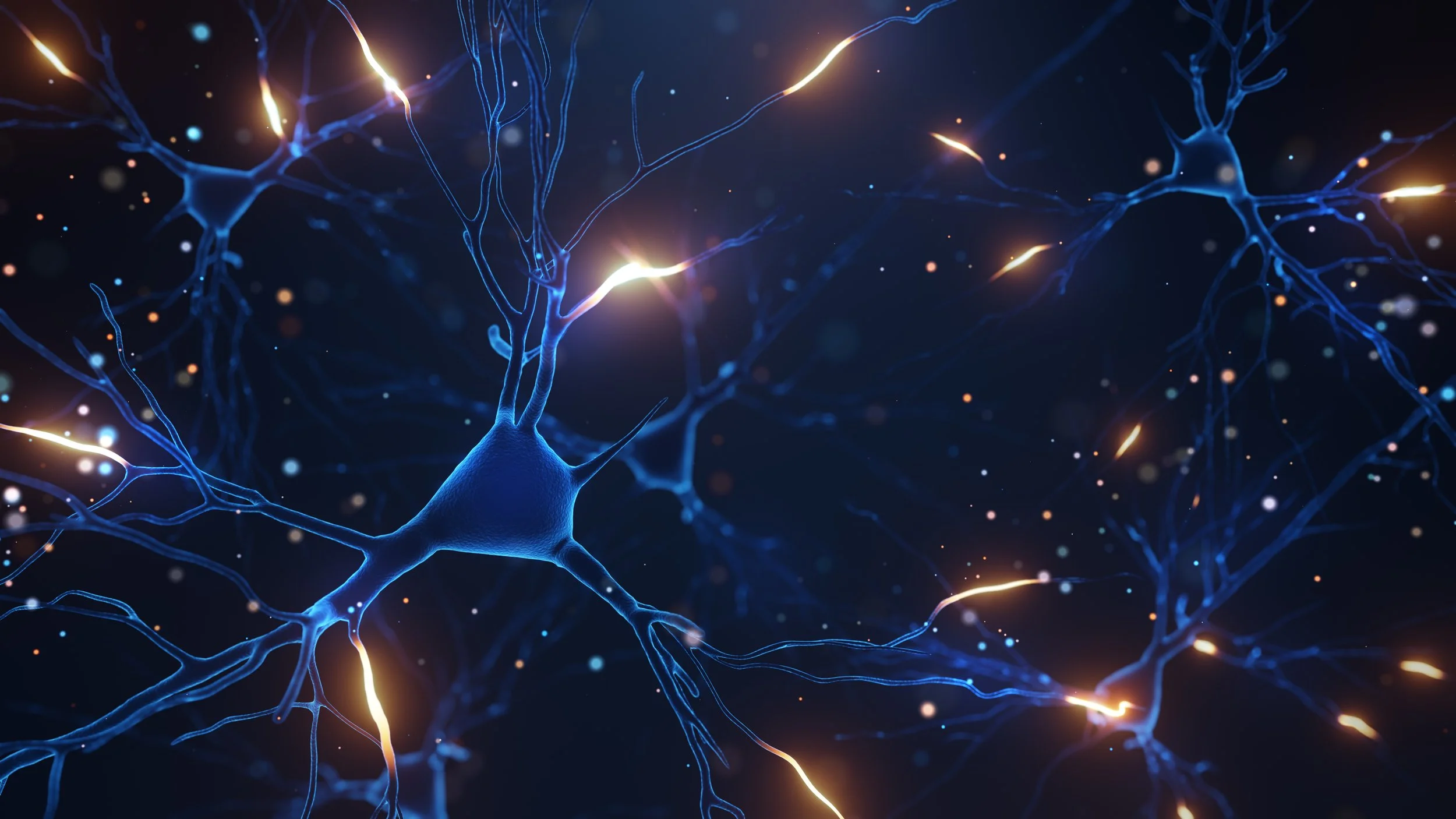
From a biomedical standpoint, e-stim delivers gentle electrical pulses that influence the nervous, endocrine, and circulatory systems. It can modulate neurotransmitter and hormone release, improve blood flow to reproductive organs, and reduce inflammatory cytokines.
These effects are well documented in clinical research and are particularly relevant for those navigating complex fertility journeys or preparing for birth.

Electroacupuncture for Fertility & Reproductive Health
Reproductive health is one area where e-stim truly shines. It’s a gentle yet powerful therapy for a wide range of concerns.
Electroacupuncture for PCOS and Hormonal Imbalance
E-stim helps regulate the hypothalamic-pituitary-ovarian (HPO) axis, supporting more regular ovulation and cycle consistency. Research suggests it can reduce serum testosterone levels, improve insulin sensitivity, and increase the likelihood of spontaneous ovulation in patients with PCOS.
If you’re navigating PCOS, irregular cycles, or hormone disregulation, e-stim is often used as part of a broader fertility-focused care plan.
🪷 Learn more about our approach to PCOS acupuncture and hormonal regulation 🪷
Electroacupuncture for Anovulation & Irregular Cycles
By stimulating points associated with ovarian and uterine function, e-stim can help regulate menstrual cycles and encourage consistent ovulation. It is particularly effective for individuals who haven’t responded well to medication alone.
Electroacupuncture for Diminished Ovarian Reserve (DOR) & Egg Quality
Improved circulation to the ovaries enhances oxygen and nutrient delivery, which may support follicular development and egg quality. When used as part of a preconception or IVF preparation plan, e-stim can help support more responsive cycles.
Electroacupuncture for Uterine Lining & Implantation
Adequate endometrial thickness and receptivity are critical for implantation. E-stim increases blood flow to the uterine arteries, helping create the nourished, receptive environment a developing embryo needs to thrive.
Electroacupuncture for Stress, Cortisol & Nervous System Regulation
Fertility challenges often come with significant emotional and physiological stress. E-stim helps rebalance the sympathetic and parasympathetic nervous systems, reduce cortisol levels, and support healthy hormone signaling.
Electroacupuncture During IVF & IUI Cycles
Many fertility clinics encourage e-stim as an adjunct therapy during assisted reproductive cycles. Research suggests it may improve implantation rates and reduce side effects from fertility medications, especially when treatments are timed before and after embryo transfer.
E-stim is commonly integrated into IVF and IUI cycles to support implantation, blood flow, and nervous system regulation.
Electroacupuncture for Labor Preparation & Natural Induction Support
In the final weeks of pregnancy, acupuncture is commonly used to prepare the body for labor by softening the cervix, encouraging optimal fetal positioning, and calming the nervous system.
E-stim can take this support one step further. When specific acupuncture points are gently stimulated with electrical current, it can help:
✧ Encourage natural uterine contractions
✧ Stimulate oxytocin release
✧ Promote cervical ripening
✧ Ease musculoskeletal tension that can interfere with descent
✧ Reduce pain perception through endorphin release
Importantly, this technique does not force the body into labor. Instead, it offers a gentle nudge when the body is ready, supporting the natural hormonal shifts that need to occur. E-stim is sometimes used as a non-invasive alternative to medical induction, or to help support progression when early labor has stalled.
For patients approaching their due date, electroacupuncture can be incorporated into gentle, supportive birth preparation.
🪷 Learn more about acupuncture for labor preparation & birth support 🪷
Is Electroacupuncture Safe? What to Expect
E-stim is extremely safe when performed by a licensed acupuncturist with advanced reproductive training. It is not painful, and side effects are rare and typically mild (most often limited to brief soreness or tingling around the needles).
Each treatment is tailored to your cycle, symptoms, and overall health. For fertility support, e-stim is usually used once or twice per week, with frequency adjusted around ovulation, implantation, or embryo transfer. For labor preparation, it’s commonly used weekly starting at 36 weeks, with increased frequency as the due date approaches.
Is Electroacupuncture Right for You?
Whether you’re preparing for IVF, trying to conceive naturally, or getting ready for birth, e-stim offers a personalized and evidence-informed way to support your body.
If you’re curious whether e-stim is right for your fertility or pregnancy journey, I’d love to guide you through your options.
🪷 Book a fertility or pregnancy acupuncture consultation in Encinitas today 🪷
Frequently Asked Questions About Electroacupuncture
Does electroacupuncture hurt?
No. Most patients describe the sensation as a gentle tapping, buzzing, or pulsing. Treatments are adjusted to your comfort level and should never be painful.
Is electroacupuncture safe during IVF?
Yes, when performed by a licensed acupuncturist trained in reproductive care e-stim is extremely safe. In fact, e-stim is commonly used during IVF cycles to support blood flow, implantation, and nervous system regulation.
Can electroacupuncture help PCOS?
Research indicates e-stim can help regulate ovulation, improve insulin sensitivity, and reduce elevated androgens in patients with PCOS when used as part of a comprehensive care plan.
