
Restore Your Ovarian Reserve with Acupuncture
The diagnosis of diminished ovarian reserve (DOR) can make your heart sink. Even hearing that your AMH is “a little low for your age” can create a lot of anxiety when you’re trying to conceive. Many women in this position feel an urgent push to run straight to the fertility clinic and begin IVF as soon as possible. Before you take that step, I want to share an important new study published in the International Journal of Women’s Health on acupuncture and DOR.
What Is Diminished Ovarian Reserve?
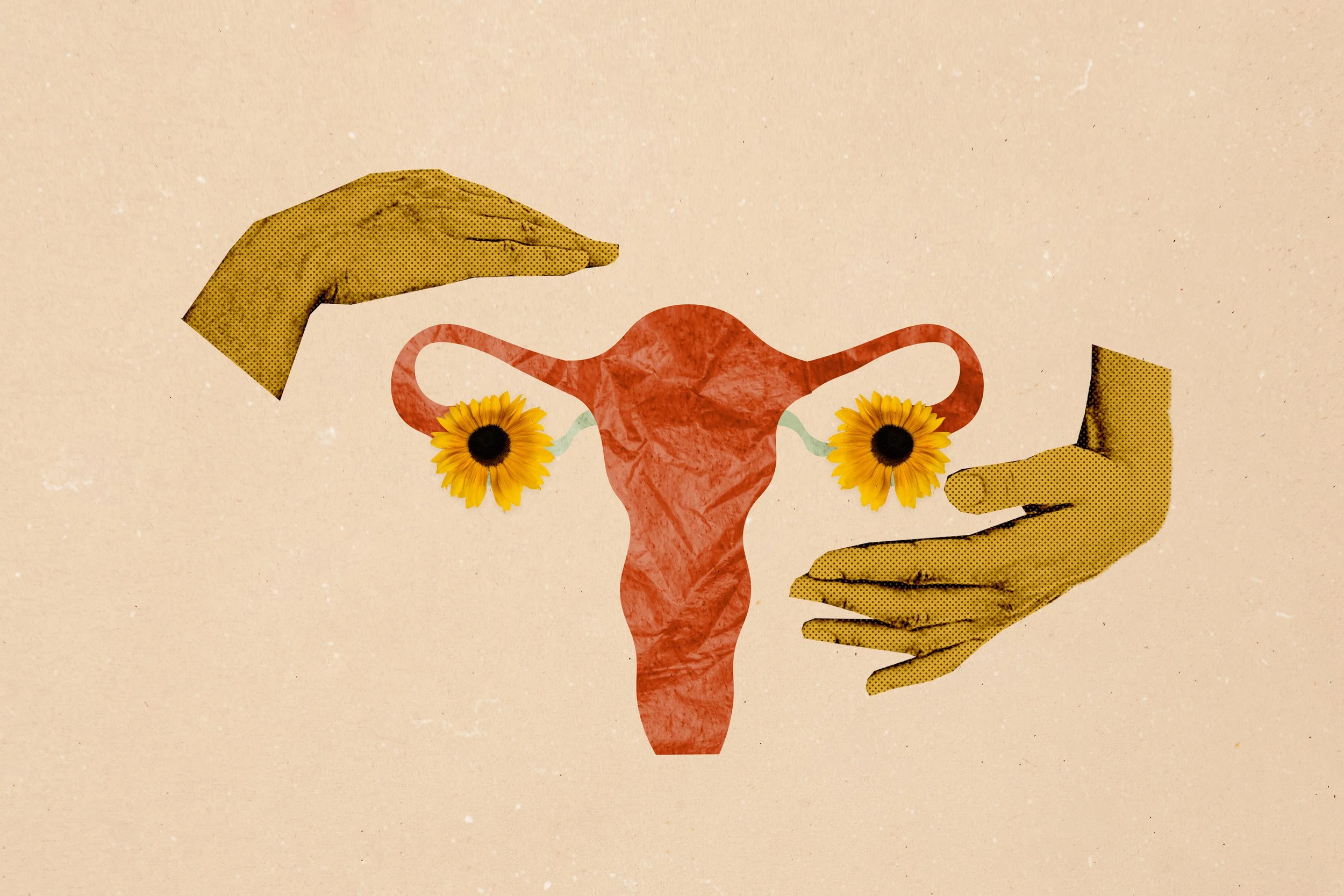
Diminished ovarian reserve (DOR) refers to a reduction in the number of available eggs in a woman's ovaries, typically diagnosed using markers like antral follicle count (AFC), anti-Müllerian hormone (AMH), and follicle-stimulating hormone (FSH). Approximately 10% of women of reproductive age are affected by DOR, and its prevalence rises sharply after 40, impacting more than half of women in that age group. Women with DOR often see a poorer response to IVF stimulation, lower clinical pregnancy rates, and a higher risk of earlier menopause.
Despite how common DOR is, conventional medicine offers limited solutions. Most women are encouraged to pursue controlled ovarian stimulation (a “medicated cycle”) or IVF, often with no guarantee of success. This is exactly why the latest research on acupuncture for DOR feels so hopeful and exciting.
The Study
Researchers conducted a randomized, sham-controlled trial including 120 women aged 18-40 diagnosed with DOR. Participants were randomly assigned to receive either true acupuncture or sham acupuncture (superficial needling that mimics the procedure without therapeutic depth or stimulation).
After 12 weeks of treatment, the acupuncture group showed a significantly greater improvement in antral follicle count compared to the sham group. The acupuncture group also demonstrated stronger trends of improvement in AMH and FSH values, key hormones used to assess ovarian reserve.
Importantly, at three months after treatment ended, the acupuncture group maintained better anxiety scores on the Self-Rating Anxiety Scale (SAS) than the sham group. This suggests that acupuncture may not only support ovarian reserve, but also help reduce anxiety and support emotional well-being during an already stressful fertility journey.
How Does It Work?
The researchers propose that acupuncture supports ovarian reserve through several biological pathways:
✧ Regulating the hypothalamic-pituitary-ovarian (HPO) axis, the hormonal command center that governs reproductive function
✧ Reducing oxidative stress and inflammation in ovarian tissue
✧ Influencing apoptosis-regulating proteins (like Bcl-2/Bax) to slow down follicular degeneration
In other words, acupuncture appears to work both at the level of hormone signaling and at the level of the ovary itself, helping protect and support the follicles you do have.
What This Means for You
If you've been diagnosed with DOR, this study is a genuine reason for hope. While larger studies are still needed to confirm long-term outcomes (as is always the case in medical research), the results clearly show that a 12-week course of acupuncture can meaningfully improve antral follicle count, which is one of the primary markers of ovarian reserve.
Clinically, this matches what I see in my own practice: many DOR patients experience improvements in cycle quality, ovarian response, and their sense of emotional resilience when we incorporate acupuncture into their care. This new study offers strong, evidence-based support for those real-world observations.
If you’d like to integrate acupuncture into your fertility plan, we’d love to support you.
Book a consultation today, and let’s take the next step together.
Works Cited
Wang, X., Du, P., Yang, L., Li, J., Hang, T., Qi, L., Su, C., Liu, X., Li, W., Zhu, Y., Lu, G., Xu, H., & Fang, Y. (2026). Effect of Acupuncture for Diminished Ovarian Reserve: A Randomized Sham-Controlled Trial. International journal of women's health, 18, 580821. https://doi.org/10.2147/IJWH.S580821
